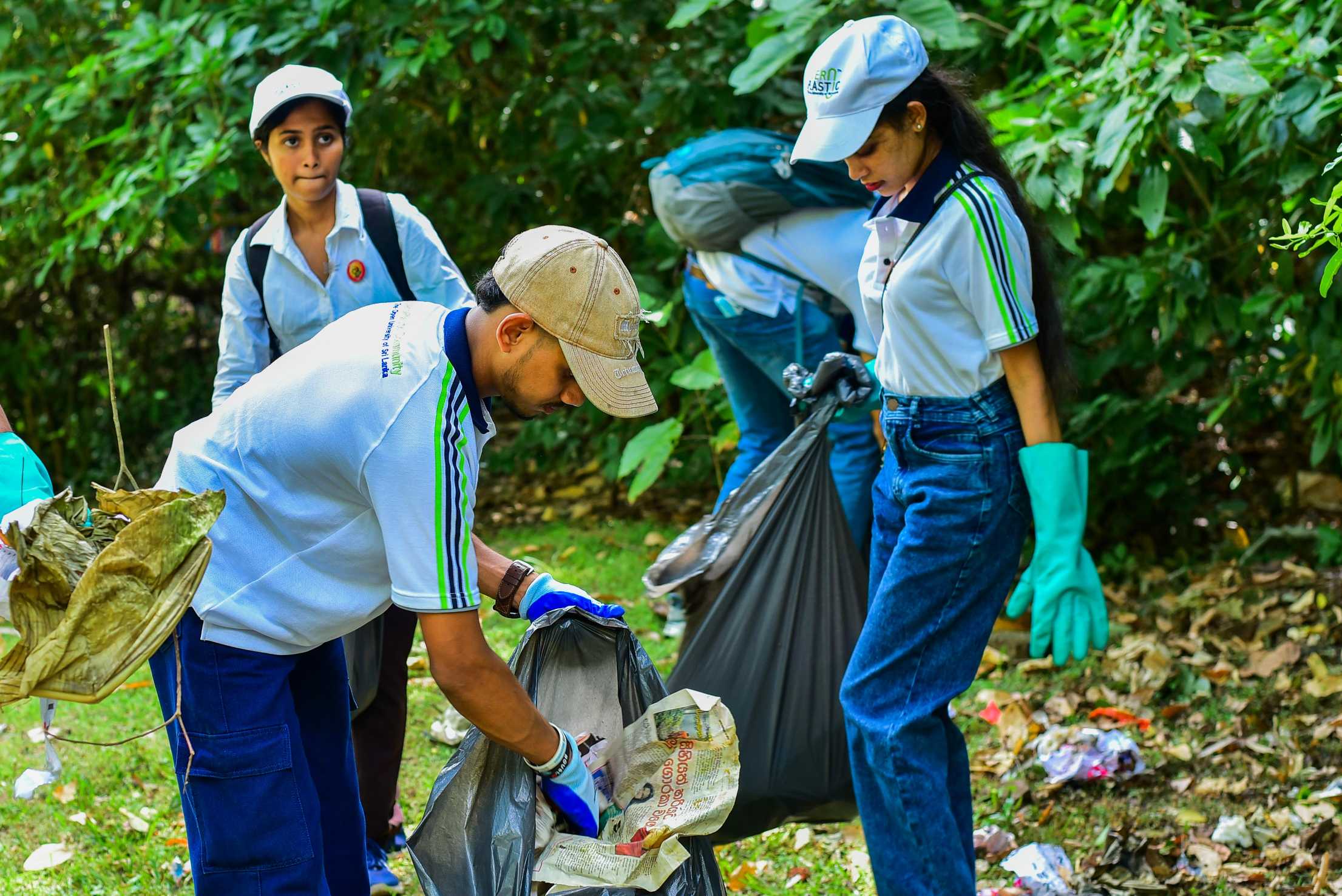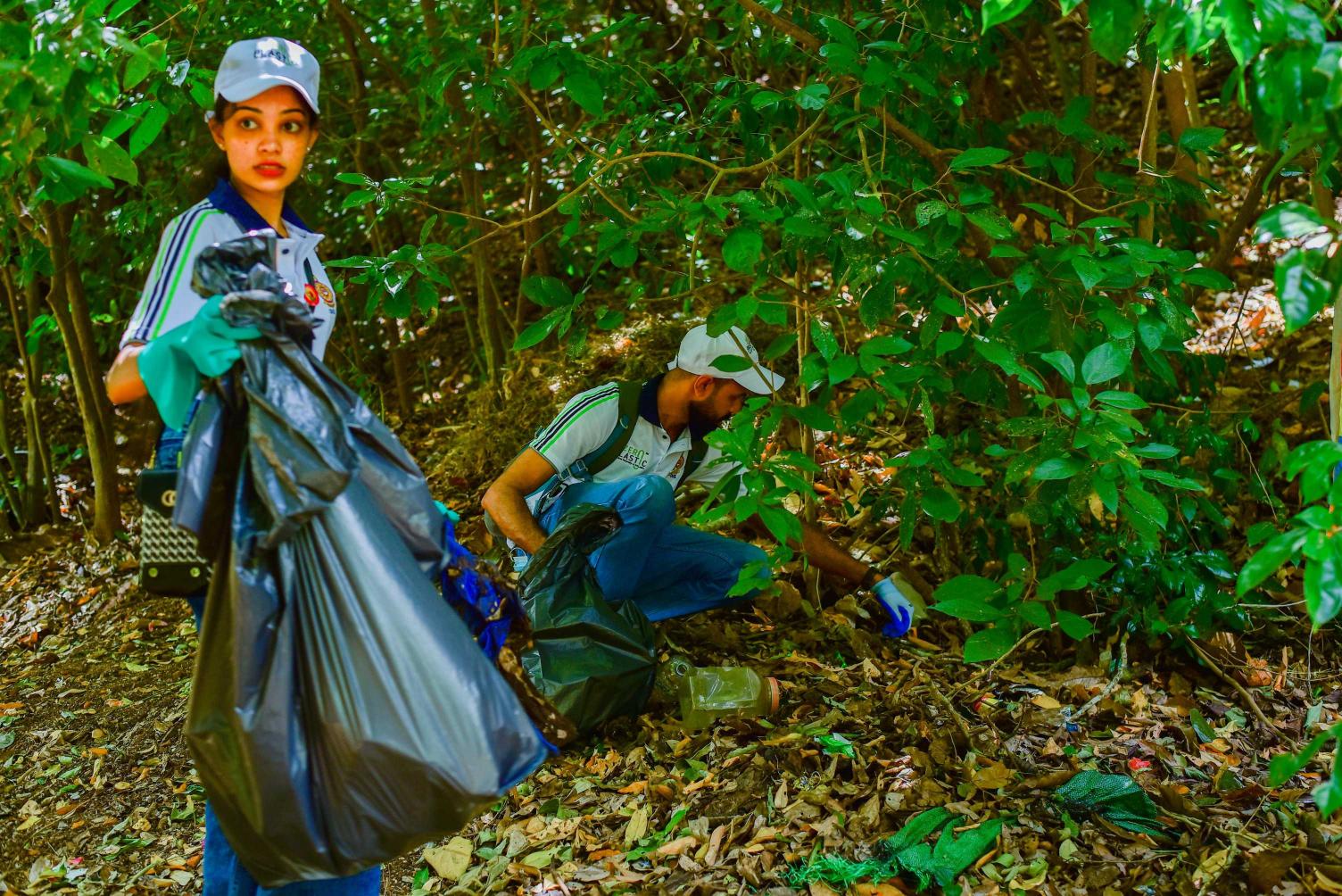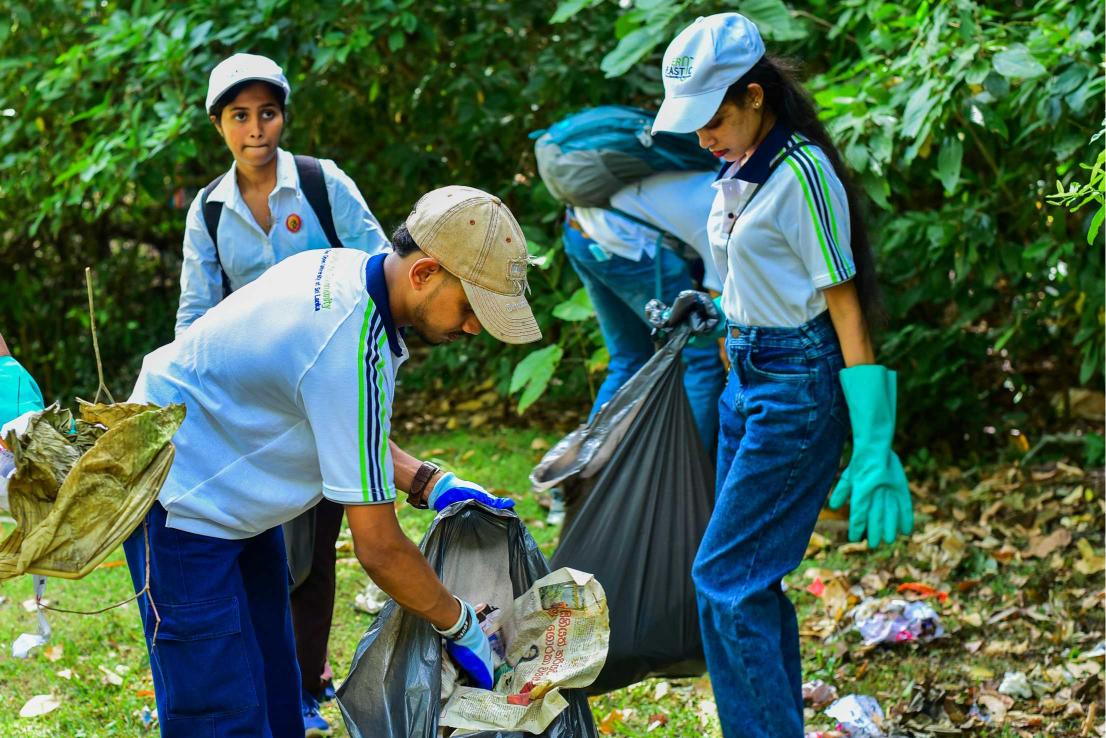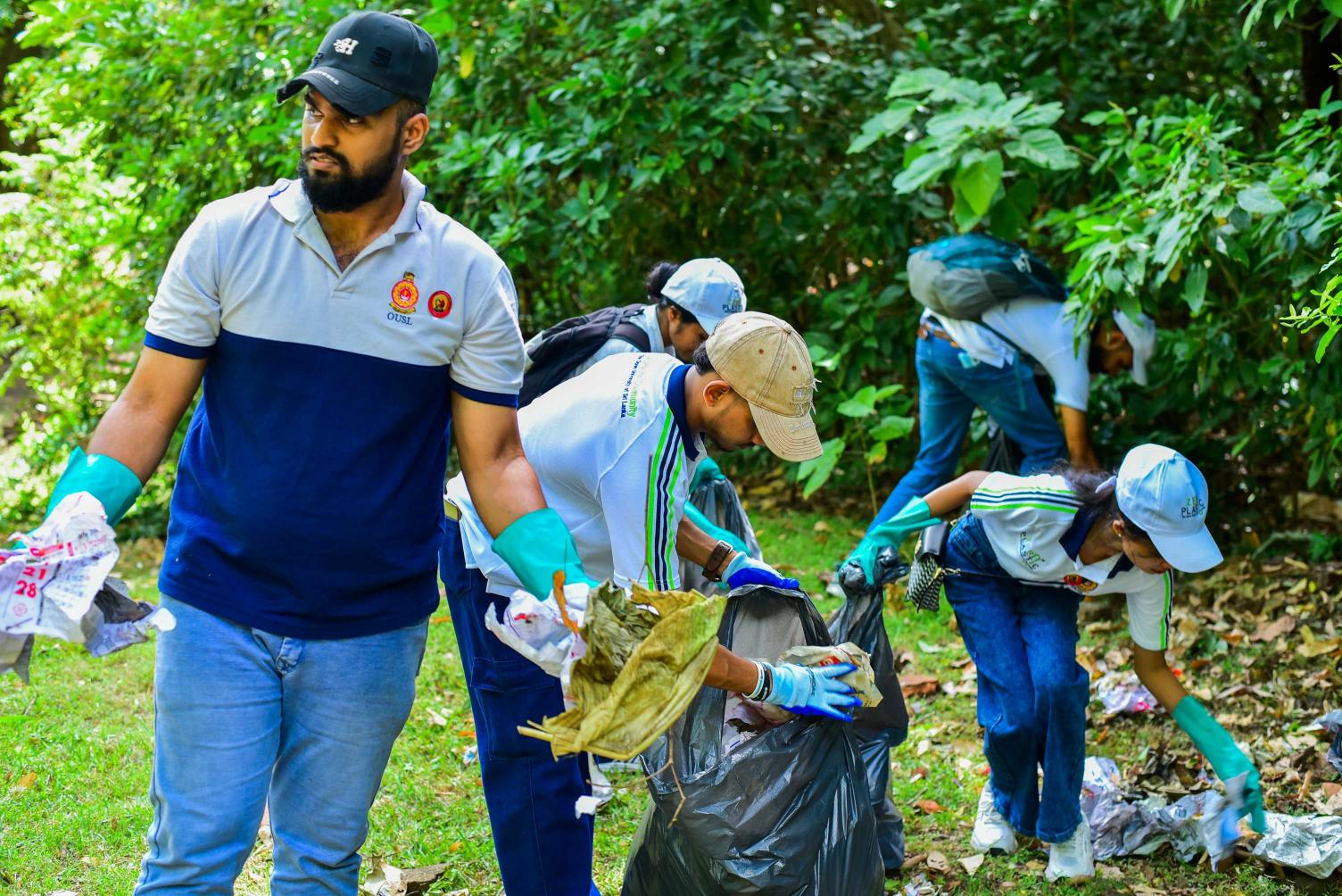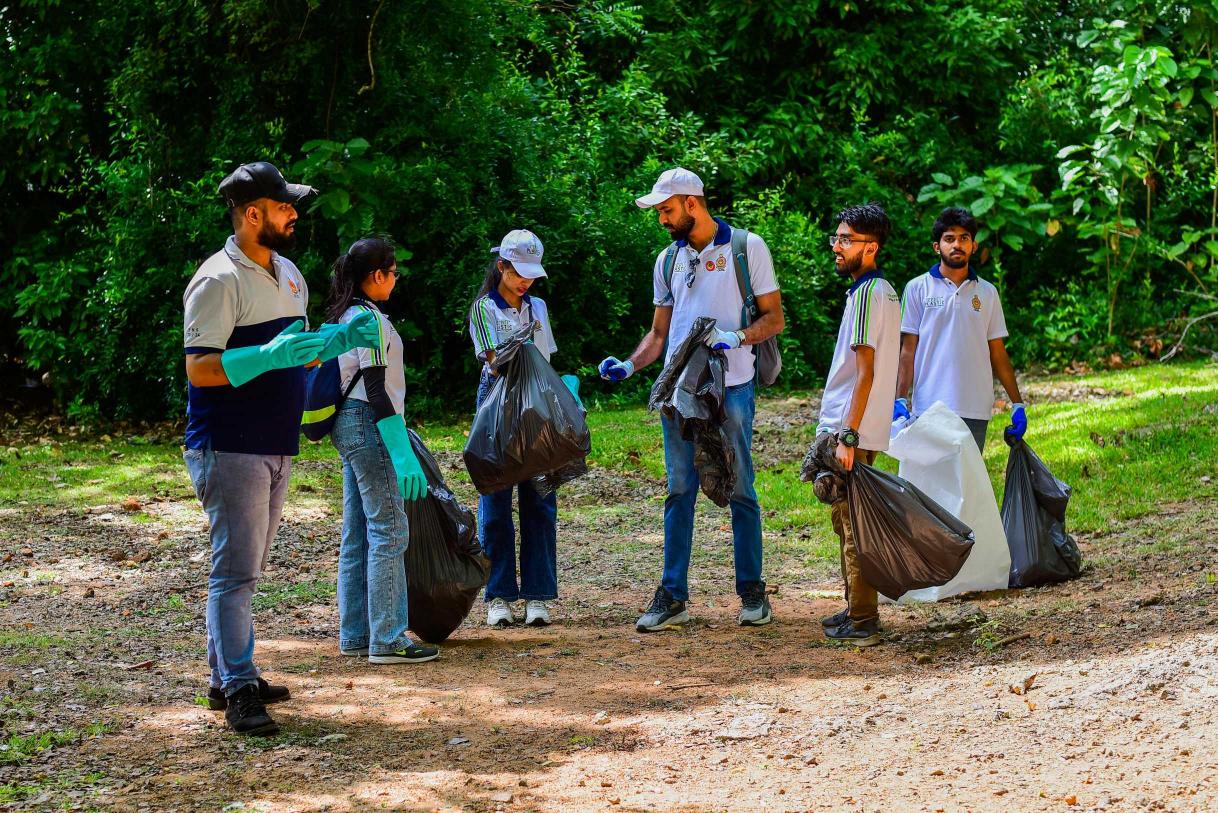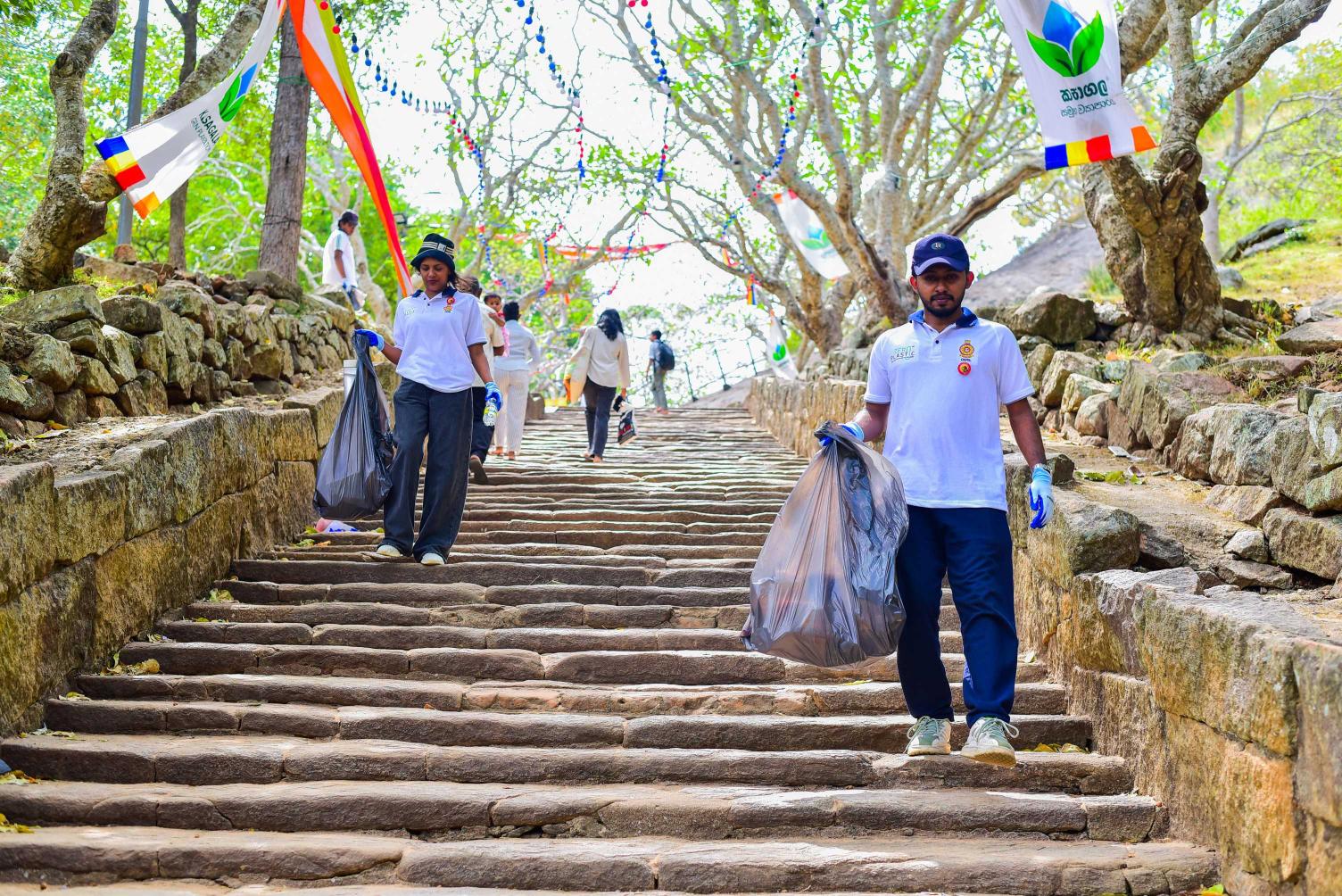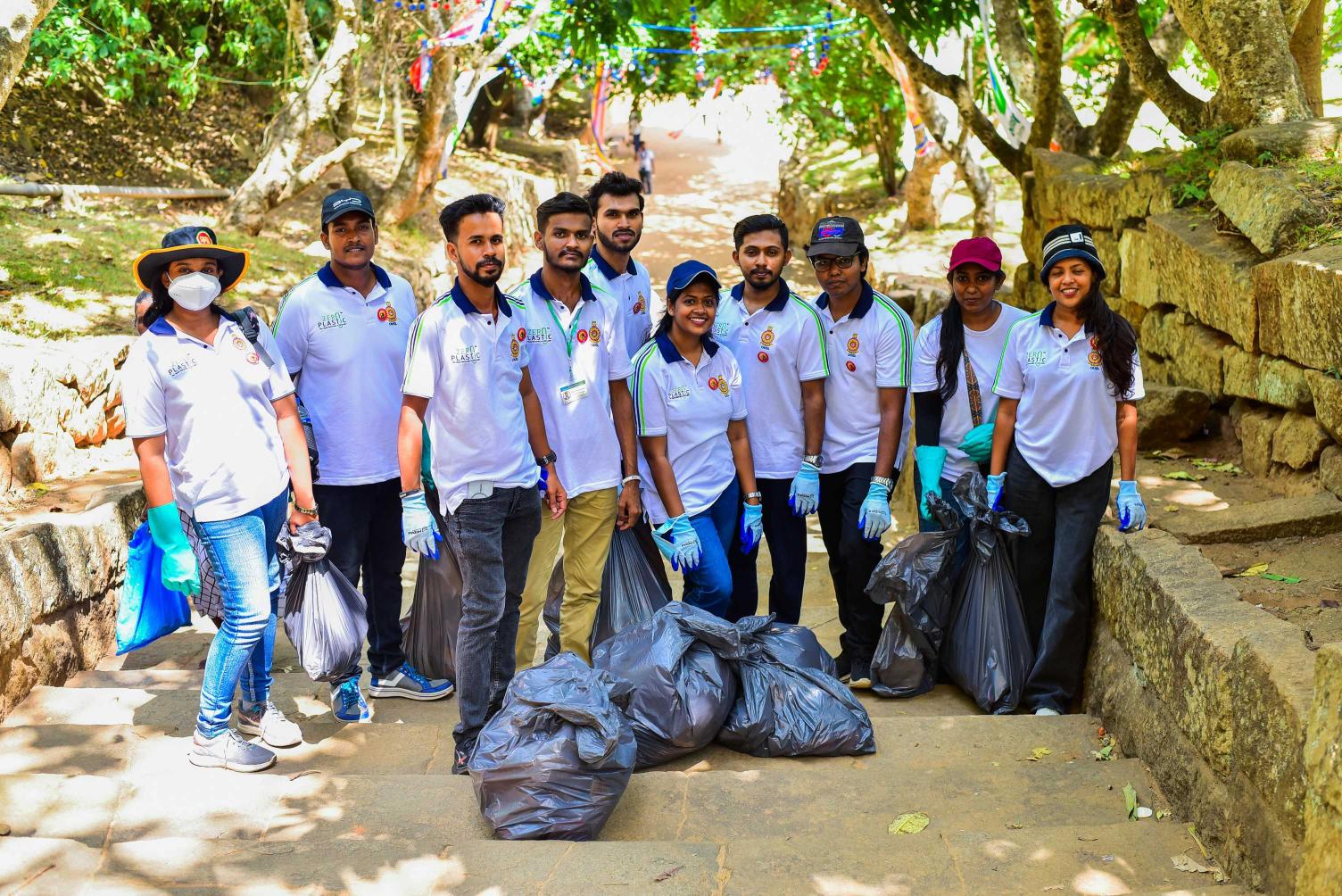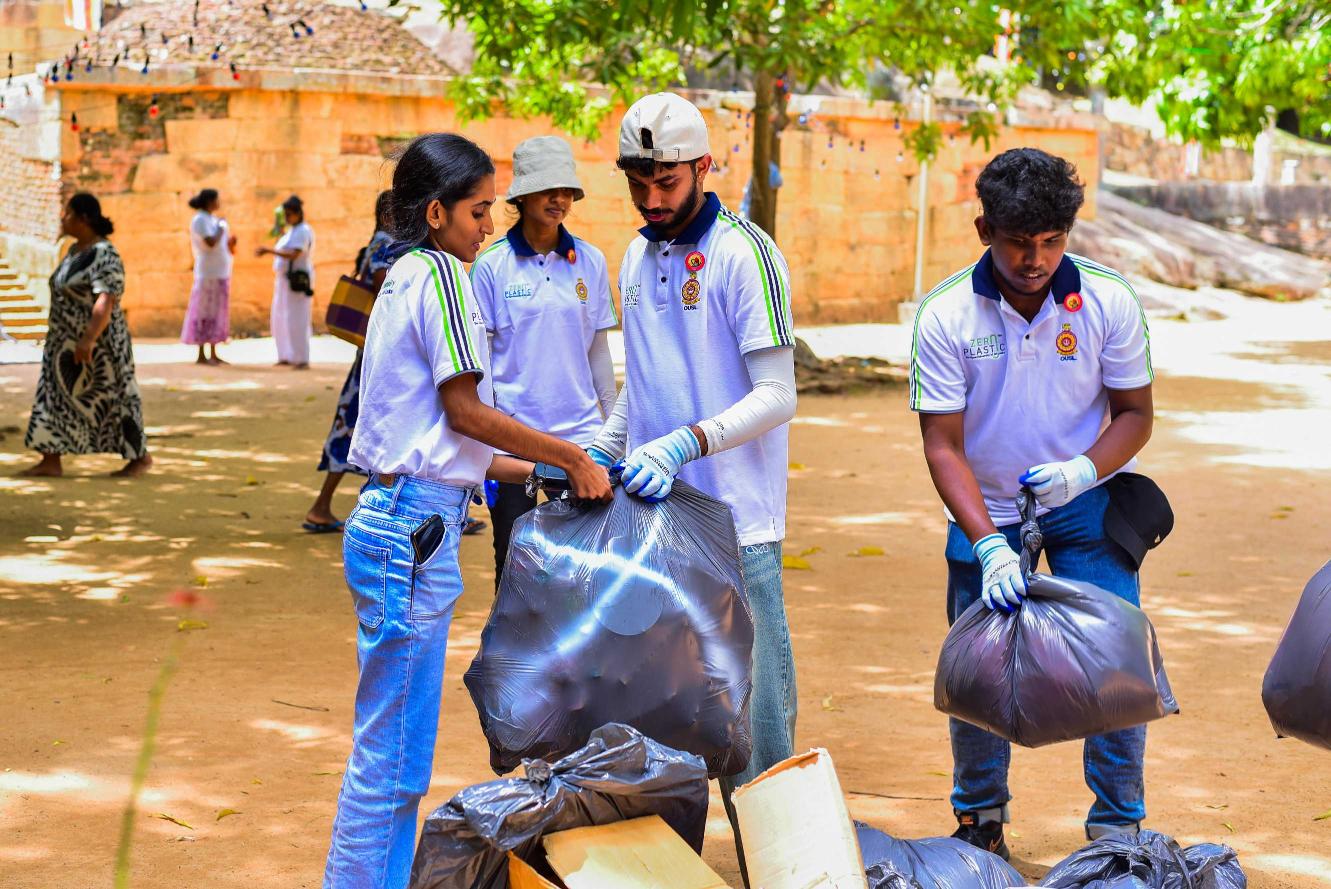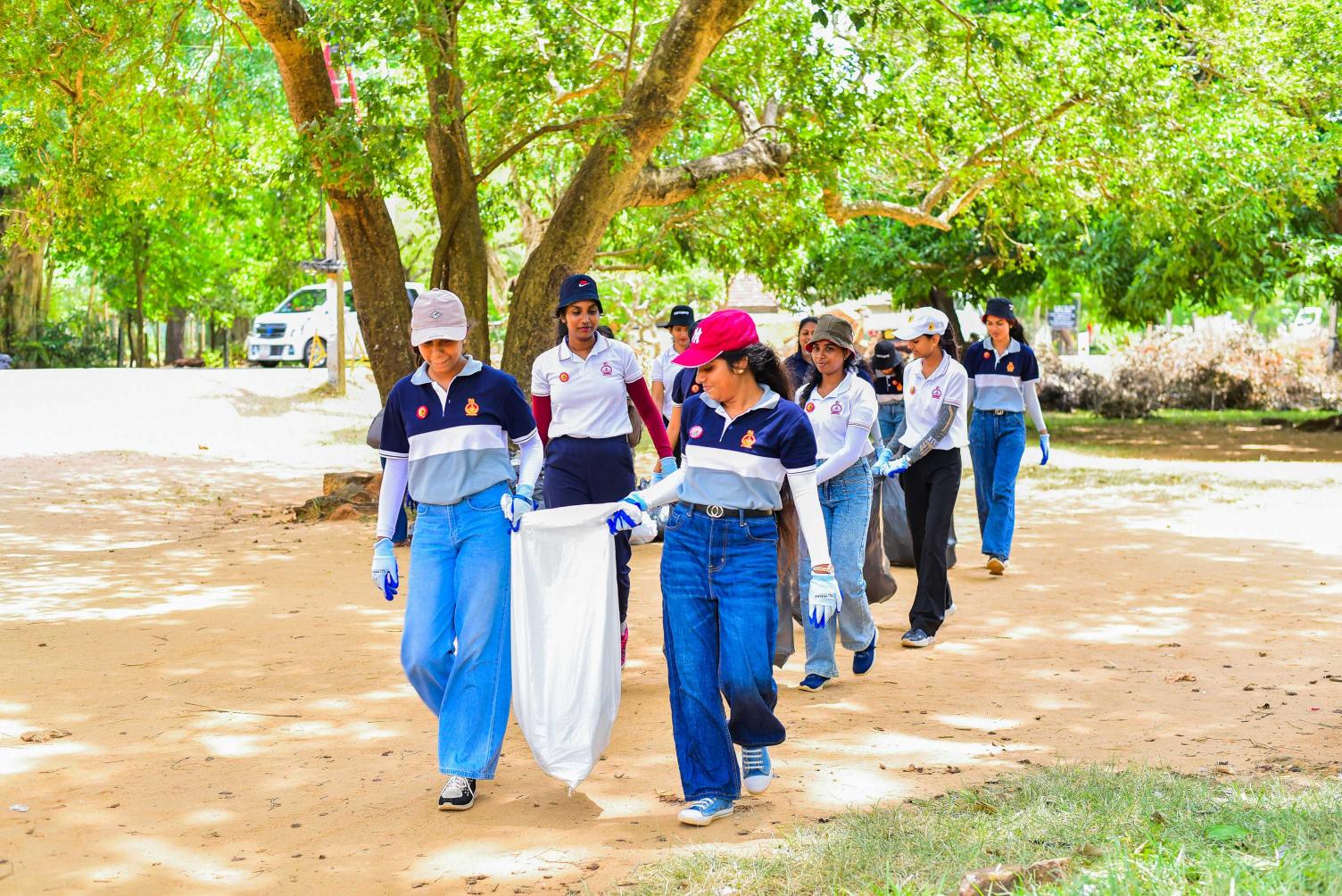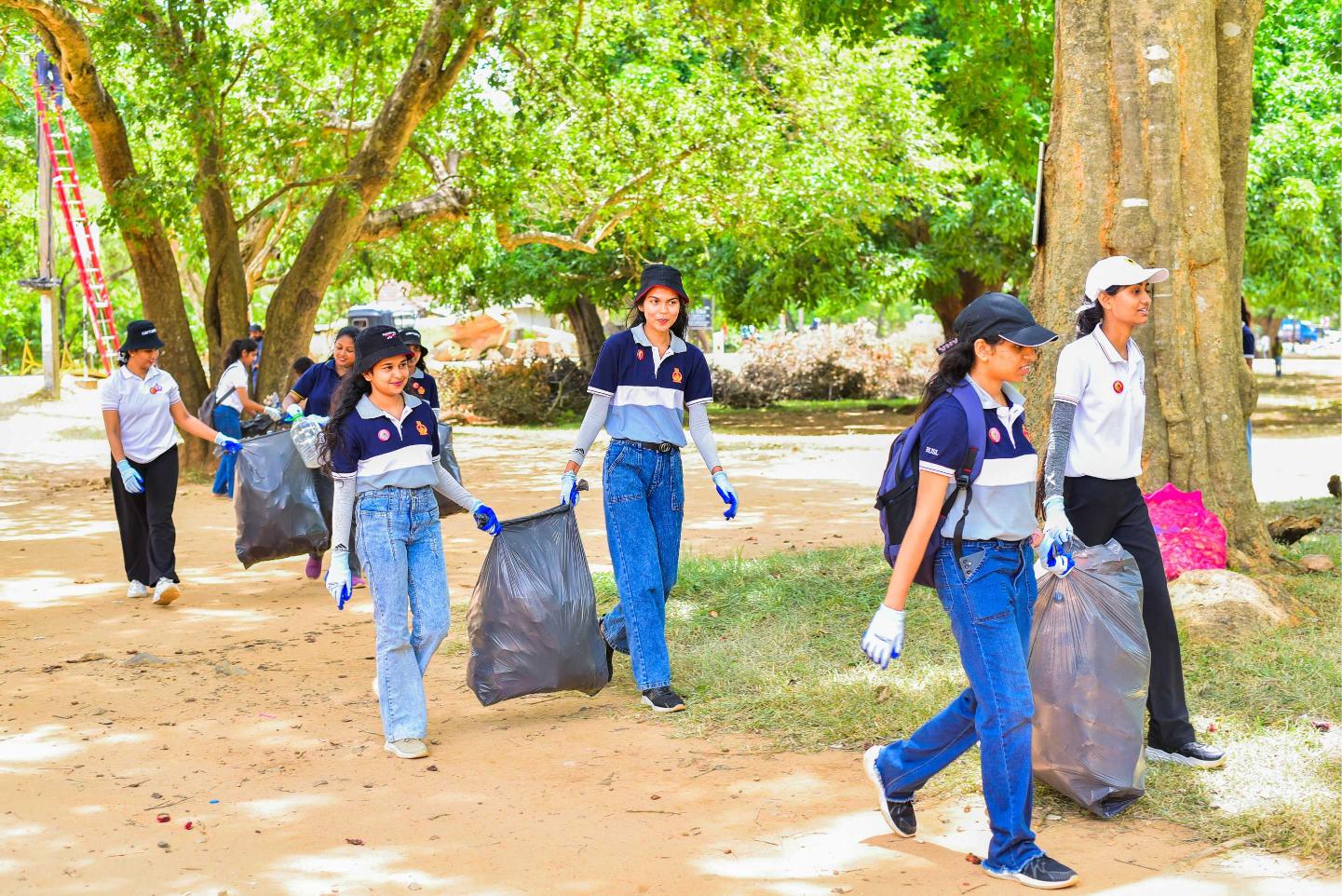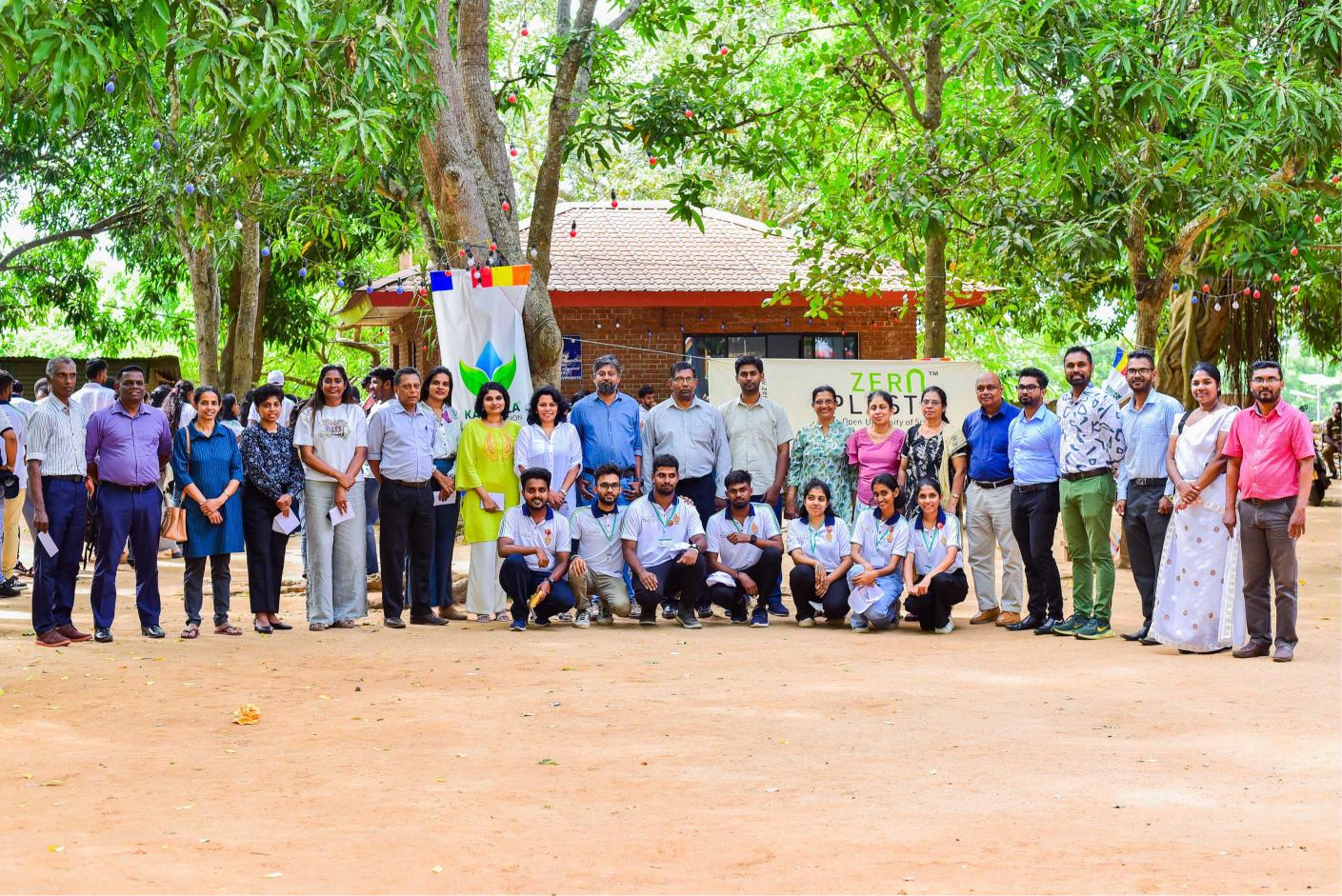
The ZeroPlastic Community of the Open University of Sri Lanka successfully conducted Mihisariya 2026 on 1 July 2026, bringing together more than 220 volunteers led by the ZeroPlastic Community of OUSL, with the participation and support of fellow ZeroPlastic communities from the University of Kelaniya, Rajarata University of Sri Lanka, University of Ruhuna, and Wayamba University of Sri Lanka. The initiative marked one of the University’s largest student-led environmental conservation programmes.
Held for the second consecutive year, Mihisariya has become the flagship environmental initiative of the ZeroPlastic Community of the Open University of Sri Lanka. Organised during the Poson pilgrimage season, the programme focused primarily on the sacred city of Mihintale, with selected clean-up activities extending to Anuradhapura, helping preserve the cleanliness and environmental sustainability of these nationally significant religious and cultural sites during one of Sri Lanka’s largest annual pilgrimages.
Although the field programme was conducted on a single day, Mihisariya 2026 was the outcome of more than two months of planning, coordination, and dedicated teamwork. Every aspect of the project from volunteer mobilisation and stakeholder coordination to transportation, accommodation, logistics, safety, sponsorships, media coordination, and waste management planning was carefully organised to ensure the initiative was carried out efficiently and safely.
Volunteers represented OUSL Regional Centres in Colombo, Kandy, Matara, Kurunegala, and Anuradhapura, with participants from the Faculty of Natural Sciences, Faculty of Management Studies, Faculty of Health Sciences, Faculty of Humanities and Social Sciences, and the Faculty of Engineering Technology working together in different operational batches across multiple locations.
The participation of the University’s academic community greatly strengthened the initiative. The encouragement and active support extended by the academic staff of the Faculty of Natural Sciences and the Faculty of Management Studies inspired and motivated the volunteers throughout the programme. In addition, the support received from academic and non-academic staff across the University reflected the institution’s collective commitment to sustainability, volunteerism, and community engagement.
The organising committee also gratefully acknowledges the invaluable guidance and continuous encouragement provided by the Community’s academic advisors, Professor U.A. Jayawardhana, Lecturer Mr. Kalana Gayantha, and Lecturer Ms. Krishni Weerakoon.Their advice and mentorship throughout the planning and implementation stages were instrumental in the success of the project.
The community also expresses its sincere gratitude to the Vice-Chancellor, Senior Professor P. M. C. Thilakarathne, whose unwavering support and encouragement provided tremendous strength to the organising committee and volunteers. His commitment to student-led initiatives and environmental sustainability greatly contributed to the successful execution of Mihisariya 2026.
The event was honoured by the presence of Chief Guest Professor Susira Perera, whose participation further highlighted the University’s commitment to empowering student-led environmental initiatives.
Throughout the programme, volunteers worked with remarkable enthusiasm, discipline, and teamwork. Waste collected during the clean-up was carefully segregated into seven categories, enabling effective recycling and responsible disposal. By the end of the initiative, volunteers had collected more than 1,000 kilograms of waste, including approximately 100 kilograms of plastic bottles, together with substantial quantities of polythene and other mixed waste.
However, Mihisariya is far more than a one-day clean-up campaign. It represents the ZeroPlastic Community of the Open University of Sri Lanka’s long-term commitment to addressing the growing waste management challenges associated with the Poson pilgrimage. Beyond removing waste, the community is actively working to develop sustainable systems for managing the significant volume of waste generated in Mihintale and Anuradhapura.
Through collaboration with relevant authorities and stakeholders, the project aims to strengthen waste segregation practices, improve collection systems, promote responsible waste disposal, and develop long-term solutions for sustainable waste management during future pilgrimage seasons. These efforts reflect the Community’s vision of creating lasting environmental impact through research, innovation, education, and practical action.
Mihisariya 2026 also served as an important platform for environmental awareness, encouraging pilgrims and the wider public to minimise the use of single-use plastics and adopt responsible waste disposal practices. By combining environmental education with hands-on action, the initiative continues to foster positive behavioural change while protecting Sri Lanka’s cultural and natural heritage.
The remarkable success of Mihisariya 2026 demonstrates the impact that can be achieved through strong leadership, careful planning, institutional support, and the dedication of passionate volunteers. It stands as a proud example of the Open University of Sri Lanka’s commitment to sustainability and community service.
The ZeroPlastic Community of the Open University of Sri Lanka extends its sincere appreciation to every volunteer, partner university, sponsor, government institution, media partner, academic and non-academic staff member, and stakeholder whose invaluable support contributed to the success of Mihisariya 2026. As the University’s flagship environmental initiative continues to grow, Mihisariya remains a symbol of collaboration,innovation, and youth leadership, inspiring collective action towards a cleaner and more sustainable Sri Lanka.