

Note
Editorial Policy
All manuscripts submitted to the journal undergo a rigorous doubleblind peerreview process to ensure academic quality, originality, and relevance to the scope of the journal. The peerreview procedure is conducted in accordance with best practices stipulated by INASP Handbook
for Journal Editors.
Initial Editorial Screening – Upon submission, each manuscript is subjected to a preliminary screening by the Editorial Board to assess its
suitability, originality, and relevance to the aims and scope of the journal, as well as compliance with submission guidelines. The outcome of this
initial assessment—whether the manuscript is forwarded for peer review or declined at desk level—is communicated to the corresponding
author within three (03) working days of submission.
Selection of Reviewers – Manuscripts that pass the initial screening are forwarded for external peer review. The EditorinChief, in consultation
with relevant members of the Editorial Board, identifies a minimum of two independent reviewers with subjectmatter expertise in the relevant
research area. Wherever possible, reviewers are selected from outside the Open University of Sri Lanka to ensure impartiality and avoid conflicts
of interest.
Members of the Editorial Board representing the relevant discipline are responsible for assisting the EditorinChief in identifying qualified and
suitable reviewers. Initially, the Editorial Office may share the manuscript abstract with potential reviewers to find out their willingness and
availability. Efforts are made to secure two reviewers within fourteen (14) days from the date of manuscript submission.
Review Timeline and Responsibilities – Once the reviewers have accepted the invitation, the full manuscript, together with the reviewer
evaluation form and review guidelines, is sent to them. Reviewers are requested to submit their reports within twenty (20) days of receipt of the
manuscript. The EditorinChief is responsible for monitoring the review process and issuing reminders when necessary.
If no response is received from a reviewer within thirty (30) days, the Editorial Board reserves the right to withdraw the invitation and assign the
manuscript to an alternative reviewer to avoid undue delays.
Review Outcomes and Decisions – Based on the reviewers’ recommendations, one of the following editorial decisions is made:
Accept with minor revisions
Accept with major revisions
Revise and resubmit
Reject
If both reviewers recommend acceptance (with or without revisions), the consolidated reviewers’ comments are communicated to the
corresponding author. Authors are required to submit:
A revised version of the manuscript, and
A separate response document detailing how each reviewer comment has been addressed.
For manuscripts requiring major revisions, authors are allowed up to fourteen (14) days to resubmit the revised manuscript. For minor revisions,
authors are expected to resubmit within ten (10) days. The Editorial Office may also provide additional comments related to formatting,
language, and presentation at this stage.
Conflicting Reviews – In cases where one reviewer recommends rejection and the other recommends acceptance, the manuscript is referred to
a third independent reviewer. If the third reviewer also recommends rejection, the manuscript is declined, and the decision is communicated
promptly to the authors. If the third reviewer recommends publication, the reviewers’ comments are forwarded to the authors for revision.
If both initial reviewers recommend rejection, the manuscript is rejected without further review, and the authors are informed at the earliest
opportunity with appropriate justification.
Final Decision and Proofreading – Once a satisfactorily revised manuscript is received, the Editorial Board makes the final decision regarding
acceptance. Accepted manuscripts undergo copyediting and formatting. A proofread version of the article is then sent to the authors for final
verification and approval. Authors are expected to return the corrected proofs within seven (07) days. Minor typographical or formatting
corrections may be made at this stage; substantive changes are not permitted.
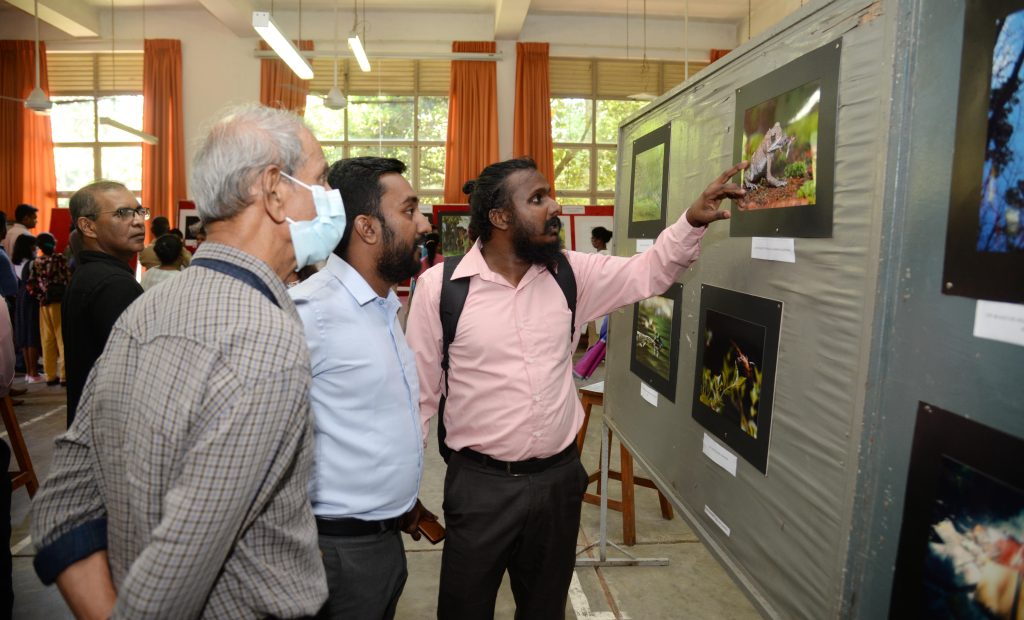
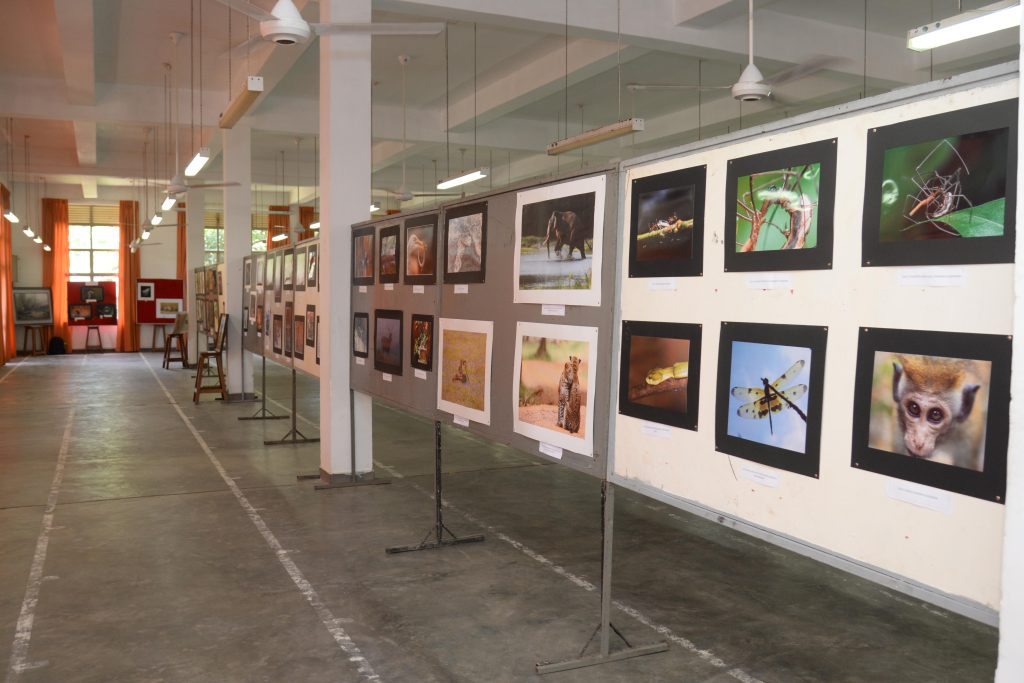
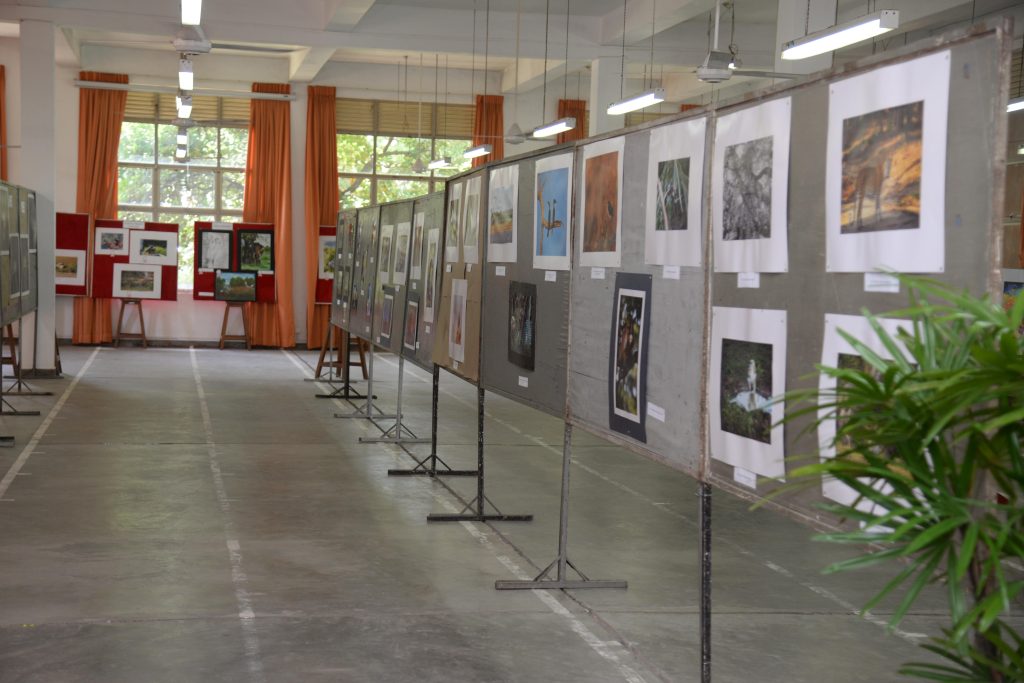
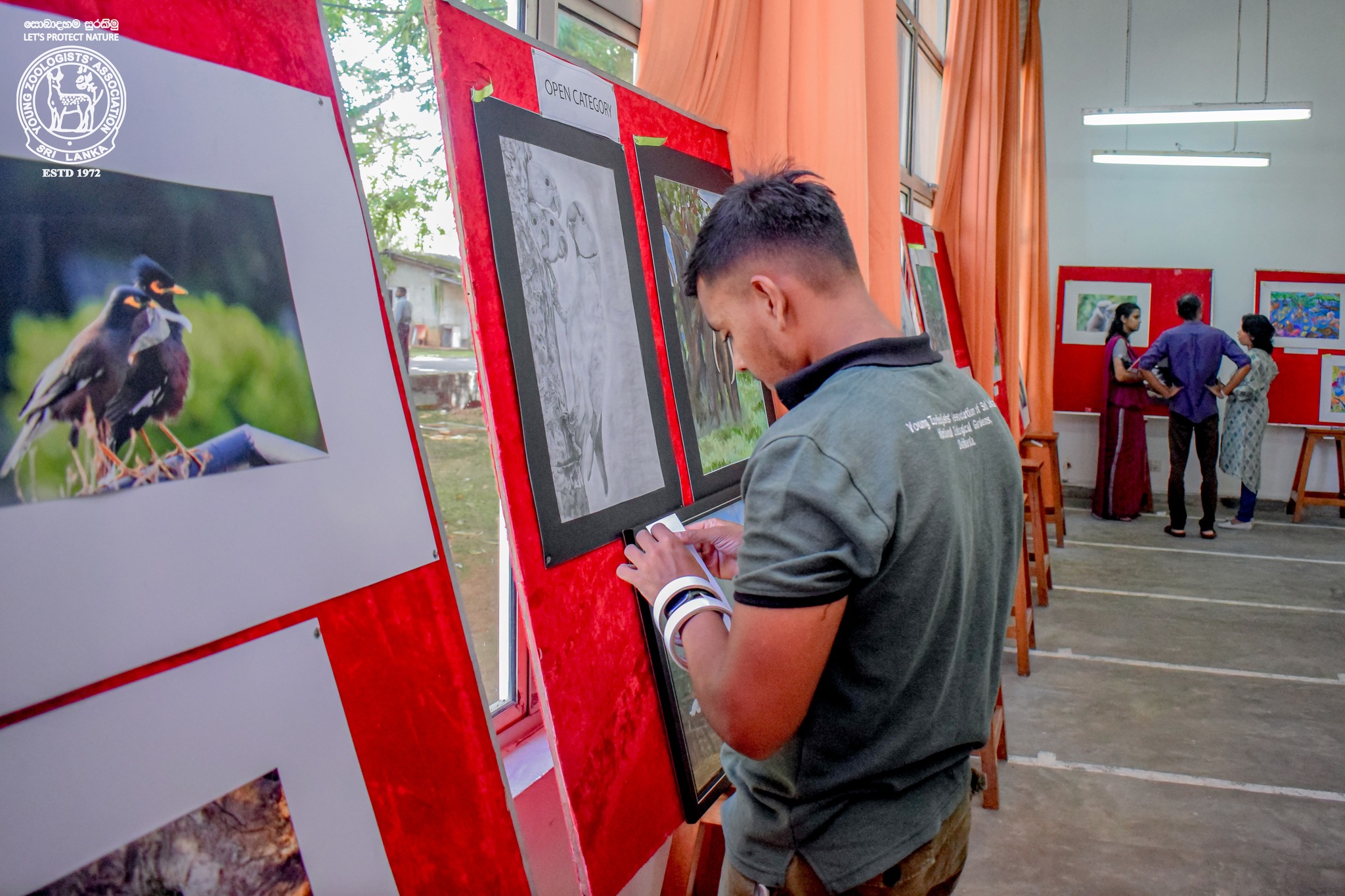
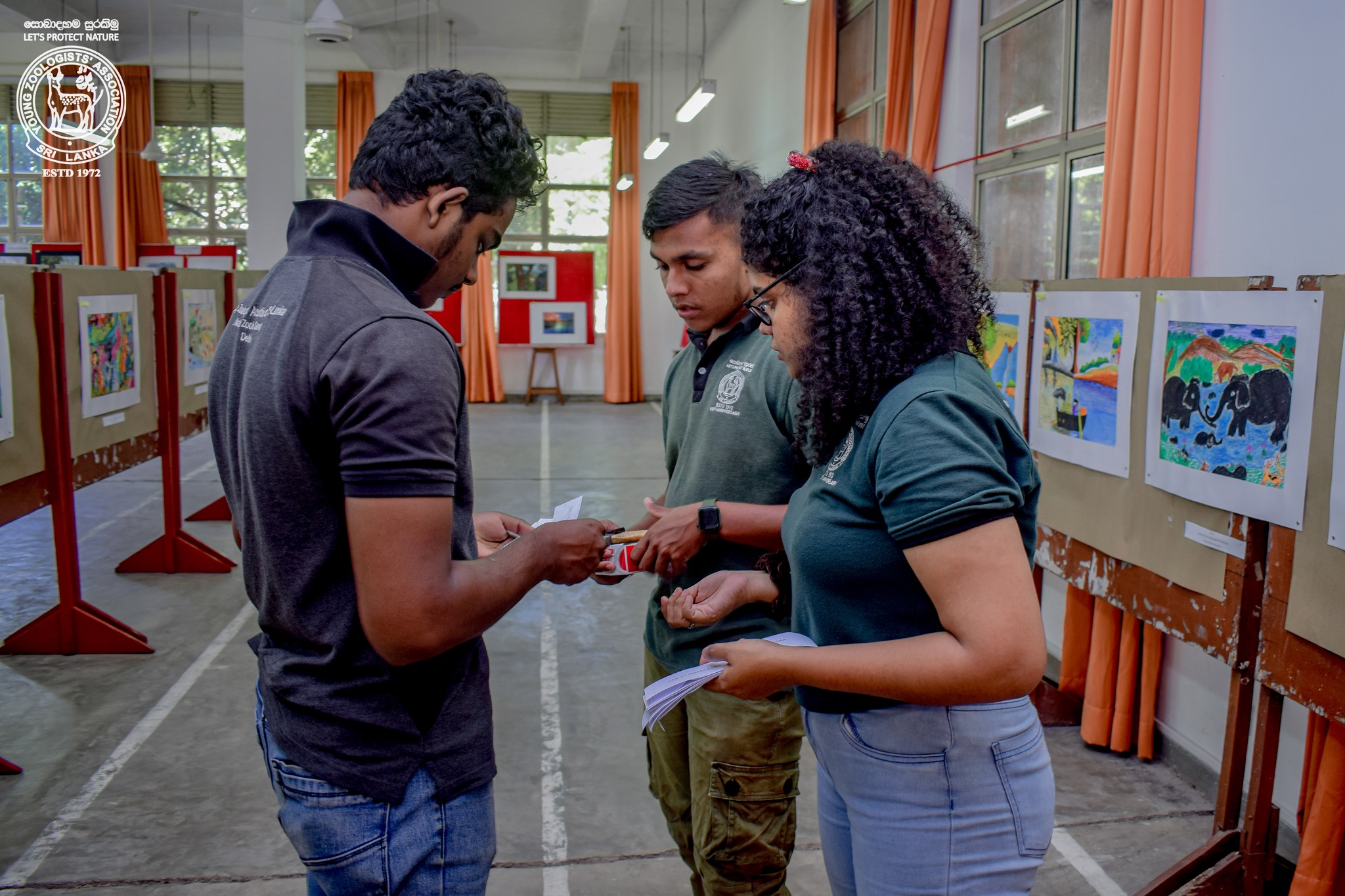
Exhibition tracks
- Marine biodiversity
- Marine pollution
Who Can Participate?
- School Category (Primary & Secondary)
- School:
- Primary
- Secondary
- 6-9 garde
- 10-13 grade Note: For the Photography Category, students in Grades 1–5 (Primary )are not considered.
- Open Category (University students, professionals, and others )
Cash prices
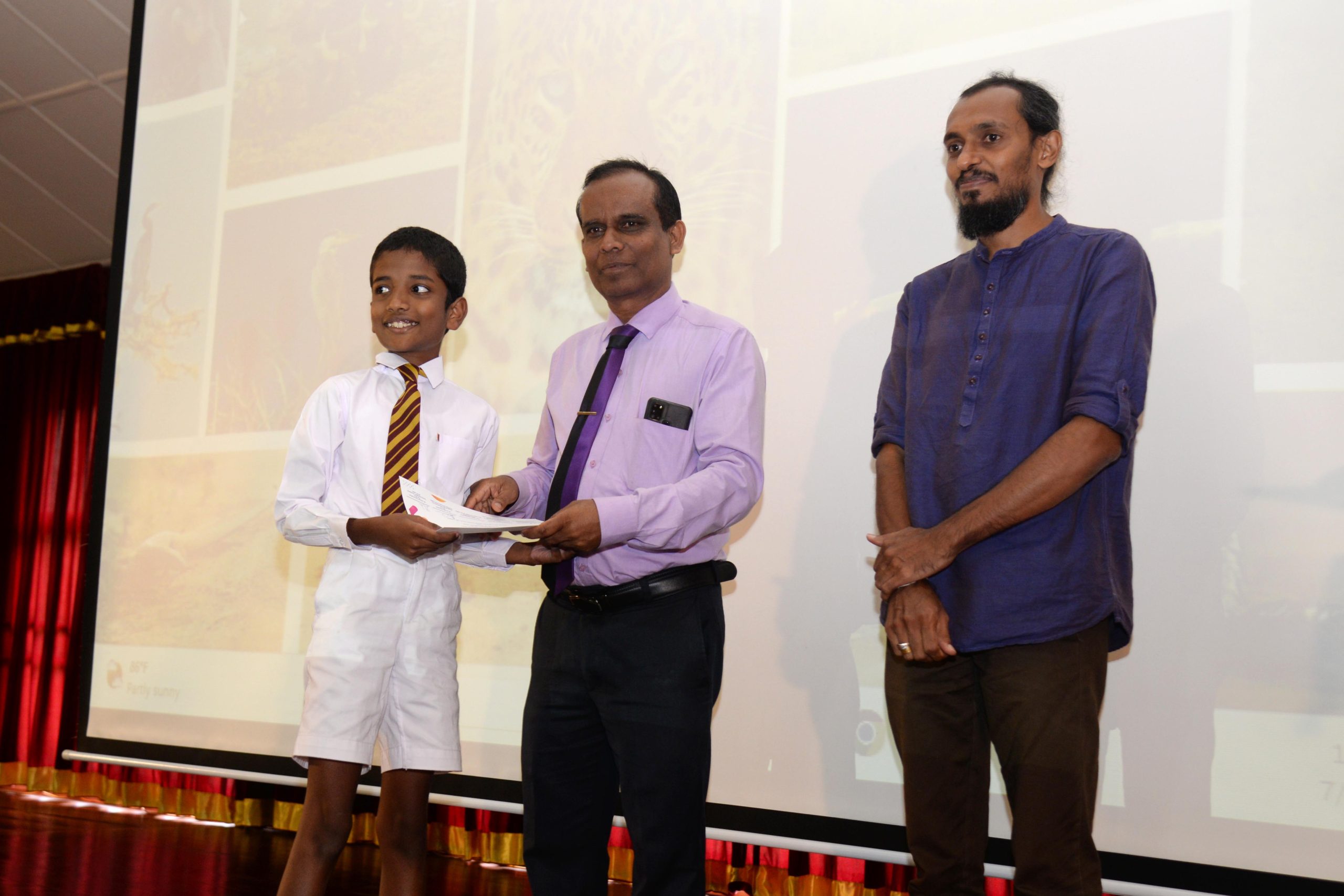
- The winners will receive valuable prizes.
- All participants of Soba Seya 2026 will receive an official Certificate of Participation in recognition of their valuable contribution.
Important Dates
- Call for Arts and Photographs: 1st March 2026
- Deadline for Arts and Photographs submission: 30th April 2026
Registration
Art exhibition guidelines
Photography exhibition guidelines

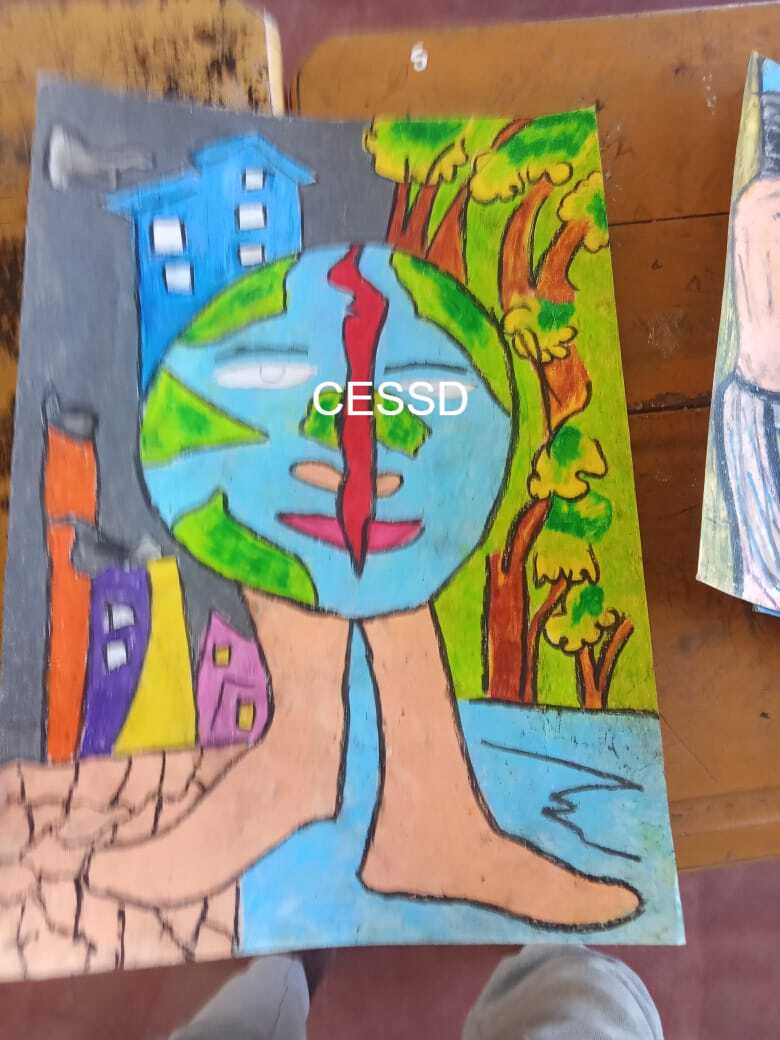
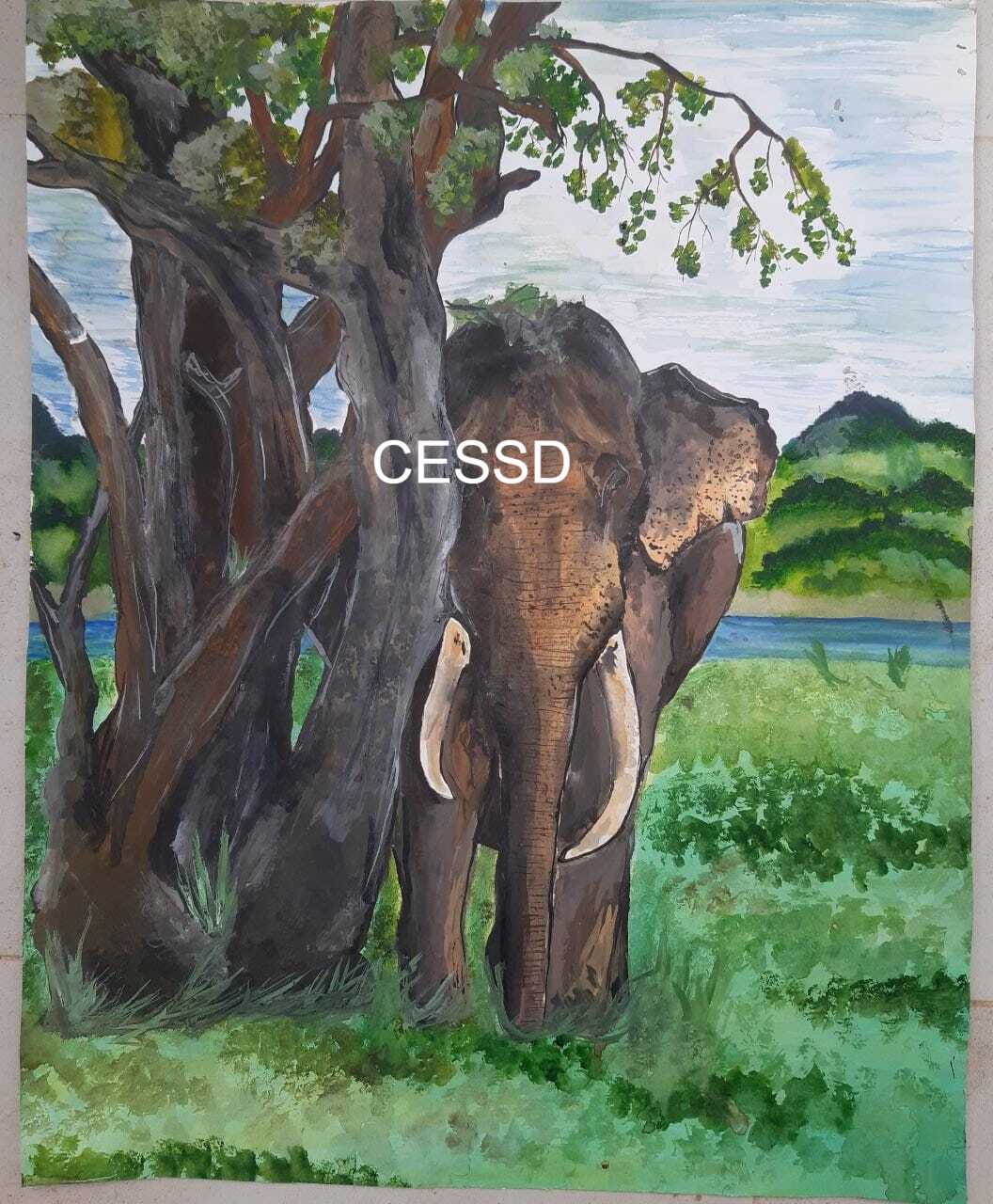
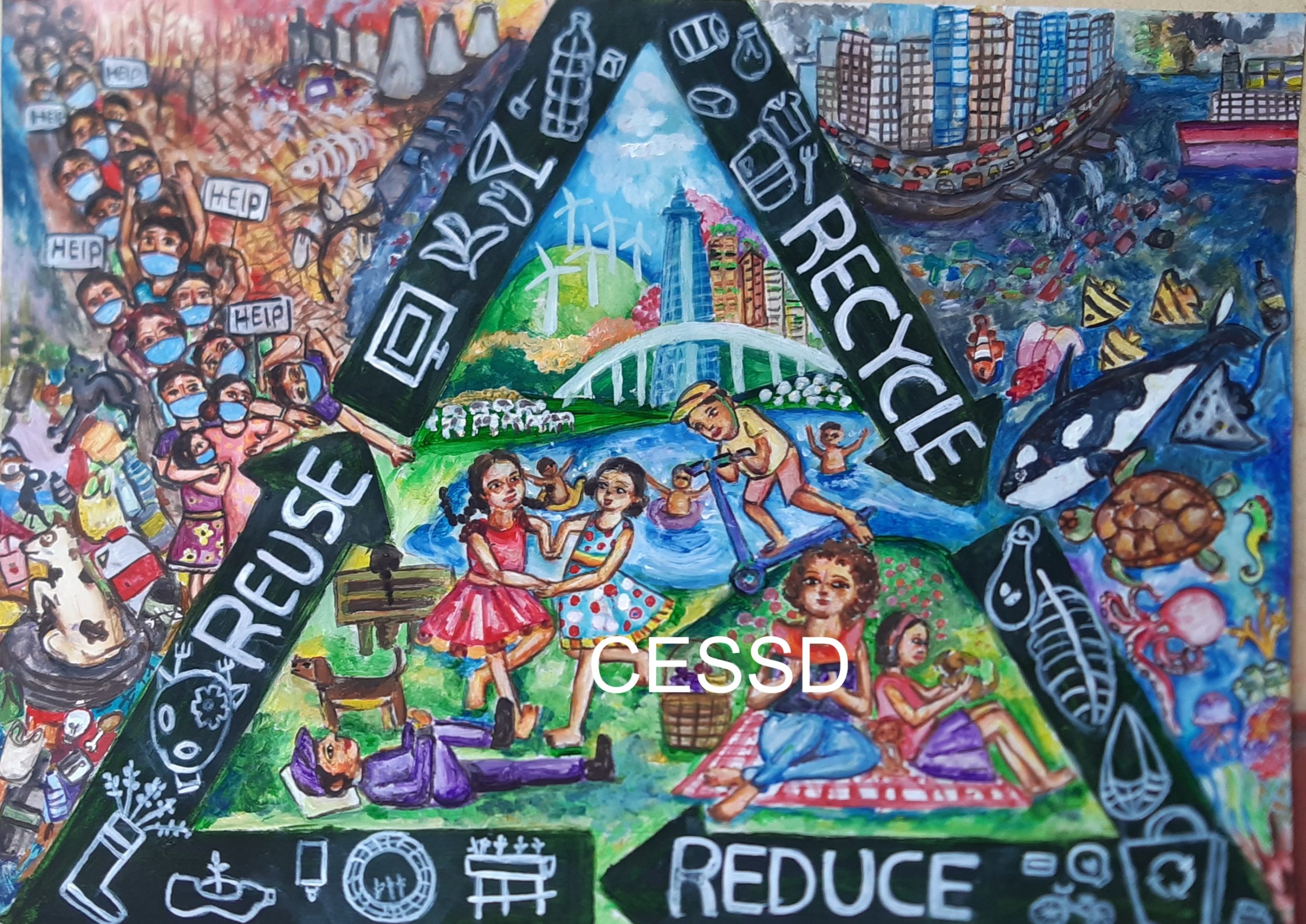
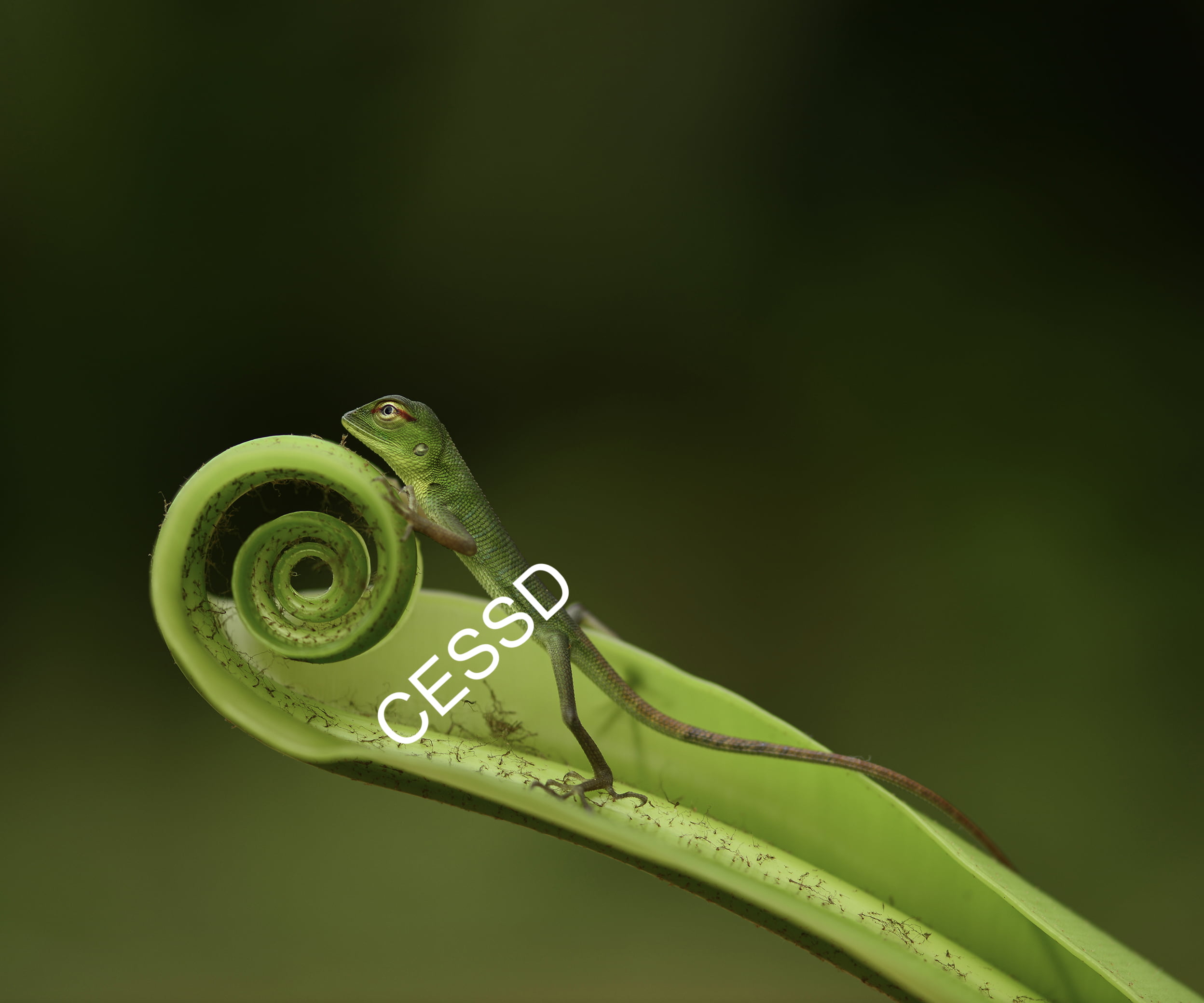
- Principle Contact
Dr. A.M.L.N. Gunathilaka
Editor in Chief -Journal of Engineering Technology
- Mailing Address
Editor in Chief- JET ,
Faculty of Engineering Technology,
The Open University of Sri Lanka
PO Box 21, Nawala,
Nugegoda, Sri Lanka
jet-ousl@ou.ac.lk